Build your understanding of substance use, treatment, recovery, and harm reduction while gaining practical knowledge and perspectives to better support individuals and reduce stigma in your professional practice.
Test Heading
Test Content Test Content Test Content Test Content Test Content Test Content Test Content Test Content Test Content Test Content Test Content Test Content Test Content Test Content Test Content Test Content Test Content Test Content Test Content Test Content Test Content Test Content Test Content Test Content Test Content Test Content Test Content Test Content Test Content Test Content Test Content Test Content
Test Button- Next Session
- Jan. 26, 2027 | 9 a.m. to 4 p.m.
Strengthen Your Ability to Support Individuals on the Path to Recovery
Professionals in human services, counseling, health care, and other helping fields regularly encounter individuals who may be struggling with alcohol or substance misuse or disorder. This program offers an opportunity to develop a stronger understanding of substance use and misuse, explore pathways to recovery, and recognize opportunities to provide meaningful support. You’ll also examine your own perspectives and potential misconceptions about treatment while gaining knowledge of resources that can help individuals move toward recovery.
Through an interdisciplinary approach, you’ll connect with other helping professionals, community services, and experienced instructors. These perspectives will help you build a more comprehensive understanding of substance use, treatment, and recovery.
Program Objectives
- Define and clarify substance use, misuse, disorders and addiction
- Explore and expand your knowledge of harm reduction principles and their impact on substance use
- Gain understanding and clarity of various treatment, recovery, service and support options
- Consider personal and professional biases and learn ways to reduce stigma in practice and policy
- Take away ideas to make positive changes in your services and organizations to support those with substance use disorders

The University of Wisconsin-Eau Claire Continuing Education presents this program in partnership with Eau Claire City-County Health Department.
Who should attend
Social workers, counselors, human service professionals, law enforcement, EMS, criminal justice workers, health care providers, public health professionals, educators, and community leaders.
Instructors
-
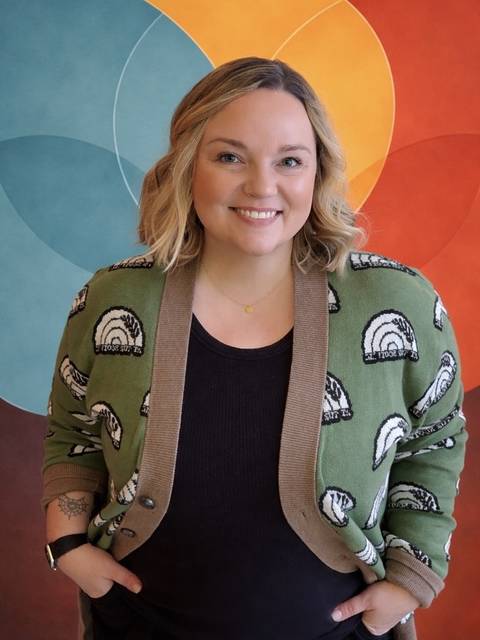
Renee Sommer, a Certified Peer Specialist, is the founder and director of At The Roots LLC, an organization dedicated to using human connection and lived experience to build stronger communities and support people through the hard parts of being human, including trauma, substance use, and mental health challenges. Drawing on her own experiences with all of the above, along with neurodivergence and burnout from the corporate grind, Renee has developed programs and partnerships across government, behavioral health, criminal justice, workplaces, and a wide range of community settings. She brings together lived and professional experience to help organizations take an honest look at their strengths and challenges, build the kinds of relationships that make meaningful collaboration possible, and create services that reflect the real lives of the people they are meant to support.
-
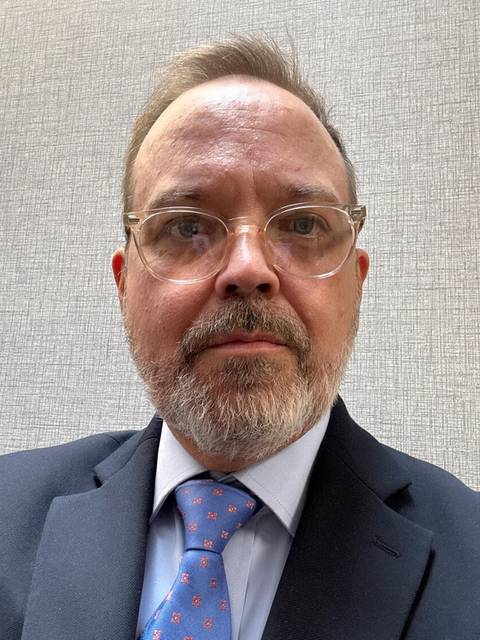
Dr. Glenn Kauppila is a board-certified family medicine and addiction medicine physician at the Mayo Clinic Health System in Eau Claire, Wisconsin. He is an assistant professor of family medicine at the Mayo Clinic College of Medicine and Science and at the Medical College of Wisconsin. He is a fellow of the American College of Osteopathic Family Physicians and the American Society of Addiction Medicine. His research interests include incorporating addiction medicine into traditional family practice systems.
-
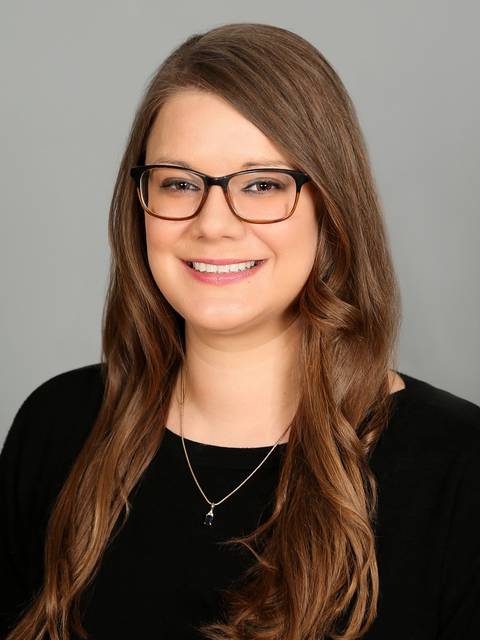
Sarah Dillivan-Pospisil, MPH received her Master of Public Health degree with a concentration in health policy and management and her undergraduate degree in Community Health Promotion. Sarah is a licensed Prevention Specialist who focuses on prevention and harm reduction related to opioid and substance use in Eau Claire County. Since joining the department in 2018, Sarah has led several high-impact prevention and harm reduction initiatives. She developed an overdose prevention education workshop that has been attended by over 1,000 community members and led the installation of the first harm reduction vending machine in western Wisconsin, providing free naloxone and fentanyl test strips to the community. Sarah is committed to creating and supporting programs that reduce stigma around substance use, elevate the voices of people with lived and living experience, and reduce the harms of drug use in Eau Claire County.